




Passengers travelling on the East Coast Main Line could see fewer delays thanks to new technology being installed on LNER trains to detect potential faults before they escalate.
New monitoring technology designed to prevent major rail disruption is now in use on the East Coast Main Line after being fitted to key LNER trains.

The York rail company has partnered with Network Rail to use the technology as part of their shared drive to get customers to their destinations safely and on time.
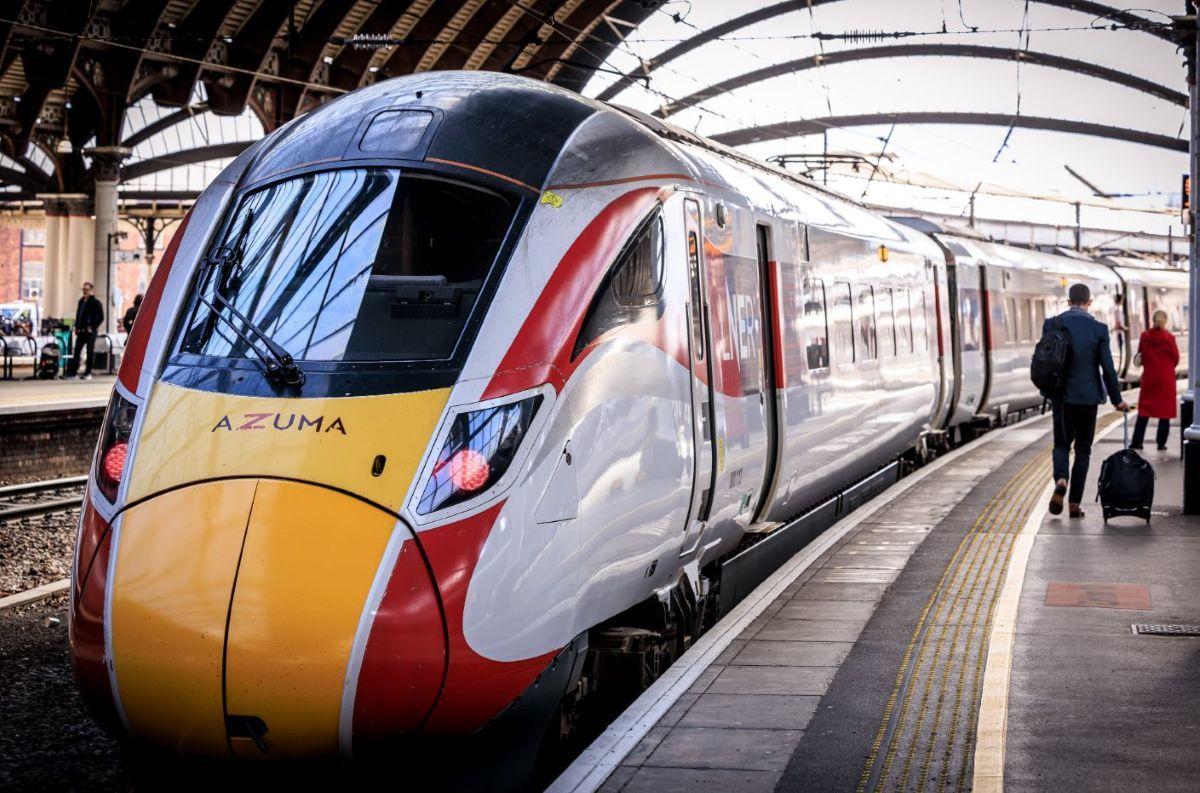
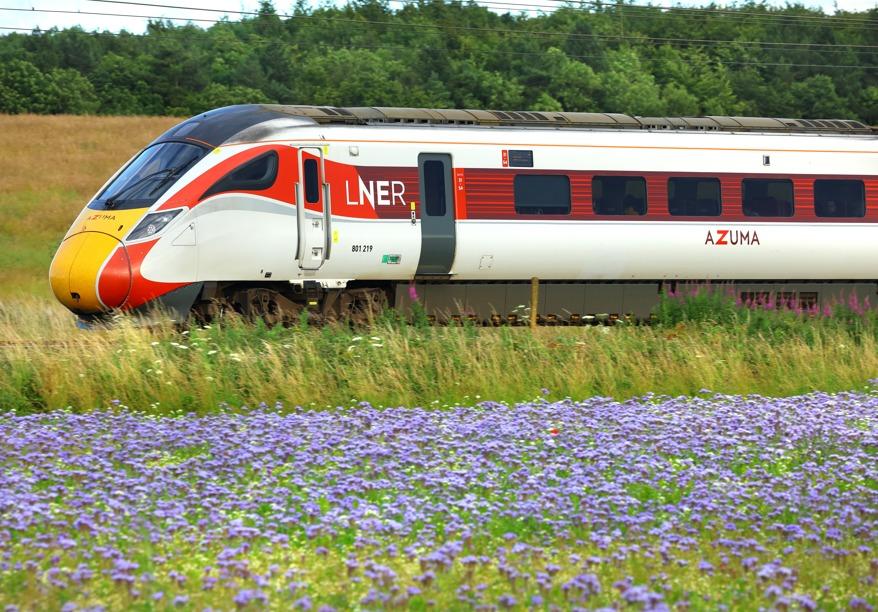
Equipment has been installed across the LNER Azuma and InterCity 225 fleets which monitors the condition of the East Coast Main Line and beyond.
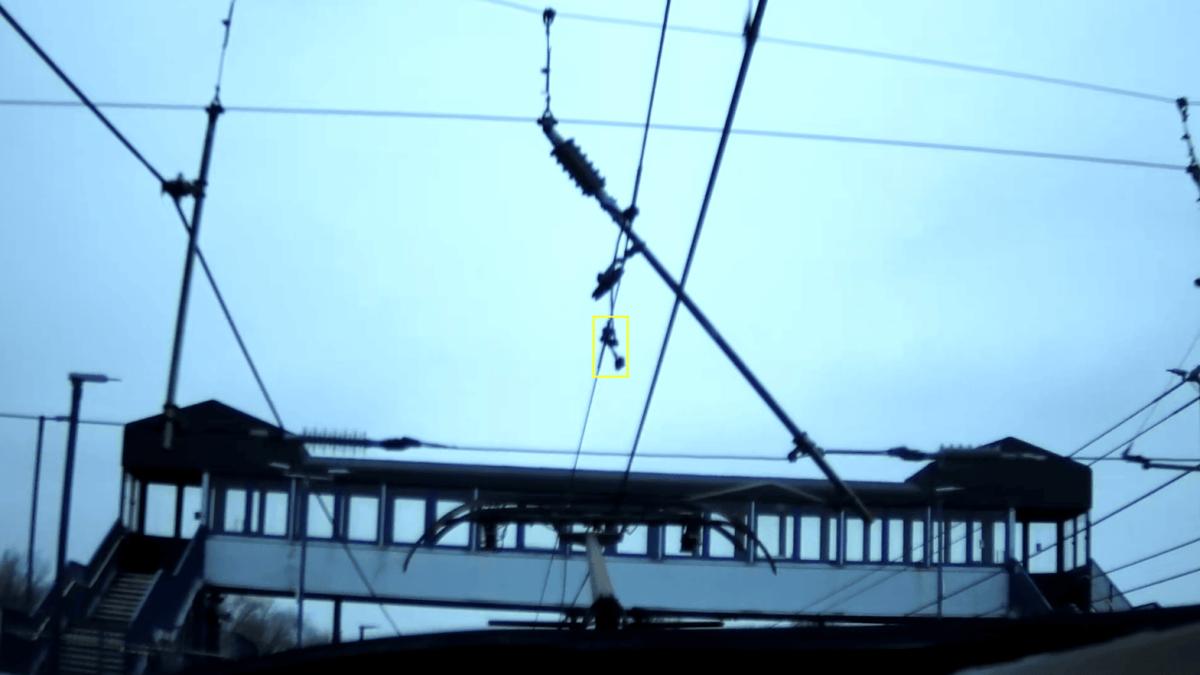
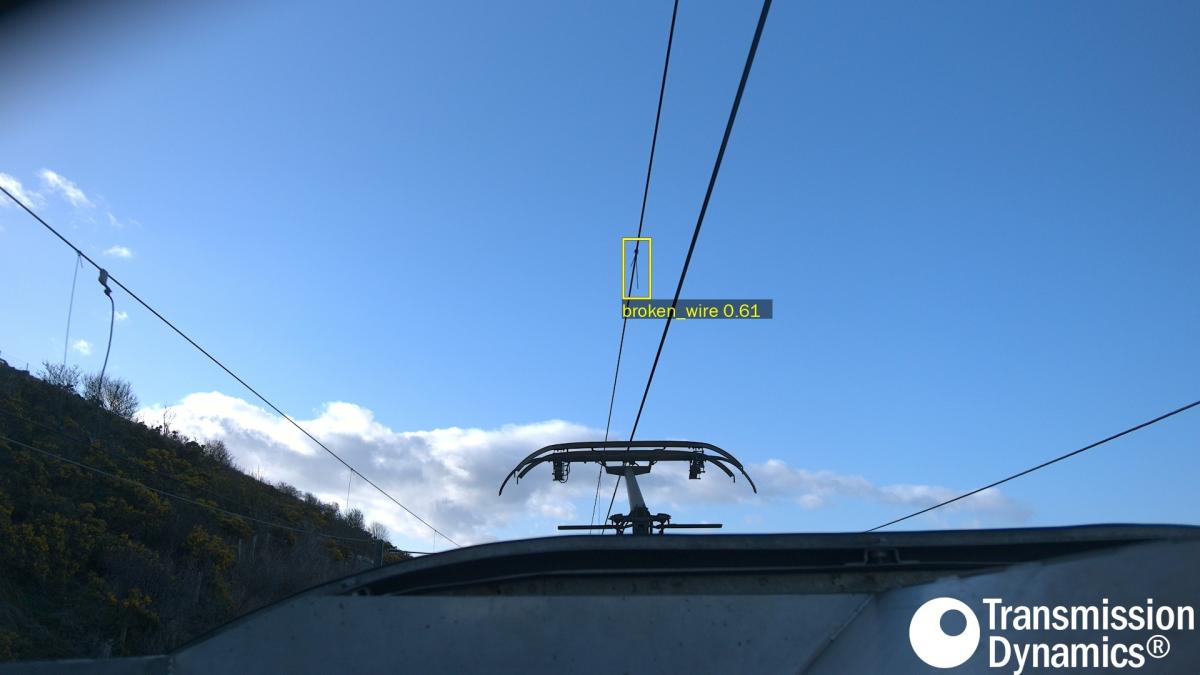
Pantograph Damage Assessment System (PANDAS) and Automated Intelligent Video Review (AIVR) constantly assess overhead line equipment and track.

This means any potential damage is reported, helping engineers to proactively fix issues before they can lead to severe disruption, which can cost the taxpayer millions of pounds each year and delay customers for hours.
Recommended reads:
Four rushed to hospital after major crash in North Yorkshire
Where you can get a pint for just £3 in York
12,000 illegal vapes seized in York – how the council is proposing to clamp down
We find a new favourite dining spot hiding in plain sight in York
PANDAS was initially fitted to a Class 91 about four years ago. After a wider roll-out, it is now on five LNER Azuma units and on four Class 91 locomotives, meaning the entire electrified East Coast Main Line is covered every day.

The equipment is fitted to the train roof, including part of it on the pantograph, which collects power from overhead lines, and uses artificial intelligence and machine learning to continuously analyse pantograph and overhead line interactions, providing accurate, up-to-date information to Network Rail engineers.
AIVR uses underbody cameras to scan the tracks and feed information to engineers .It was fitted to two bi-mode electro-diesel LNER Azuma trains in January 2026, with a view to roll the technology out further. Currently, the equipment allows almost 1,000 miles of the LNER network to be covered and analysed each week.
Gunnar Lindahl, joint operations director, LNER and Network Rail, said: “We know how frustrating it can be when trains are delayed or cancelled by infrastructure problems, and this technology actively combats that.
“LNER and Network Rail are working more closely than ever, running a safe, reliable railway, connecting millions of customers across the East Coast Main Line and beyond.”
Both systems are already delivering results.
In the last 12 months, PANDAS has driven the removal of 19 overhead line defects that may have otherwise gone unseen.

Network Rail engineers believe these defects could have gone on to cause at least four significant issues with the overhead wires across the network and caused at least 11 days of delay, potentially causing missed connections and costing the industry thousands of pounds in Delay Repay compensation.
AIVR, too, is helping to keep trains on the move. In January 2026, a train driver in Cambridgeshire reported a track defect which caused more than 10,000 delay minutes, multiple cancellations, and led to a full day of disruption.
However, a week later, the AIVR system identified a minor fault which had the potential to turn into a larger issue near Retford. The report allowed engineers to carry out an overnight repair, with no delay to passengers, and zero delay minutes caused.
Gunnar added: “This technology has been invaluable to us. It allows us to be more strategic and deliberate in deploying our engineers and helps us make sure that the areas most in need of attention receive it. Both systems will evolve and develop as we continue to place our focus on delivering reliability for our customers.”